Search results: 725
- Teacher: Pavithra Jayawardena
- Teacher: Chaminda Padmakumara
- Teacher: Prof. Maneesha Wanasinghe-Pasqual
- Teacher: Shalini Abayasekara
- Teacher: Krishan Siriwardhana
- Teacher: Chamila Somirathna
- Teacher: Dr. F. Ruzaik
- Teacher: Rohitha Abayasekara
- Teacher: Rohitha Abayasekara
- Teacher: Joseph Francis
- Teacher: Arshadha Subair
Name of Lecturer (s) : Rev. Prof. W Wimalaratana
Not open for those who select ELT 2131
- Teacher: Rohitha Abayasekara
- Teacher: Thisali de Silva
- Teacher: Charuni Gunathilaka
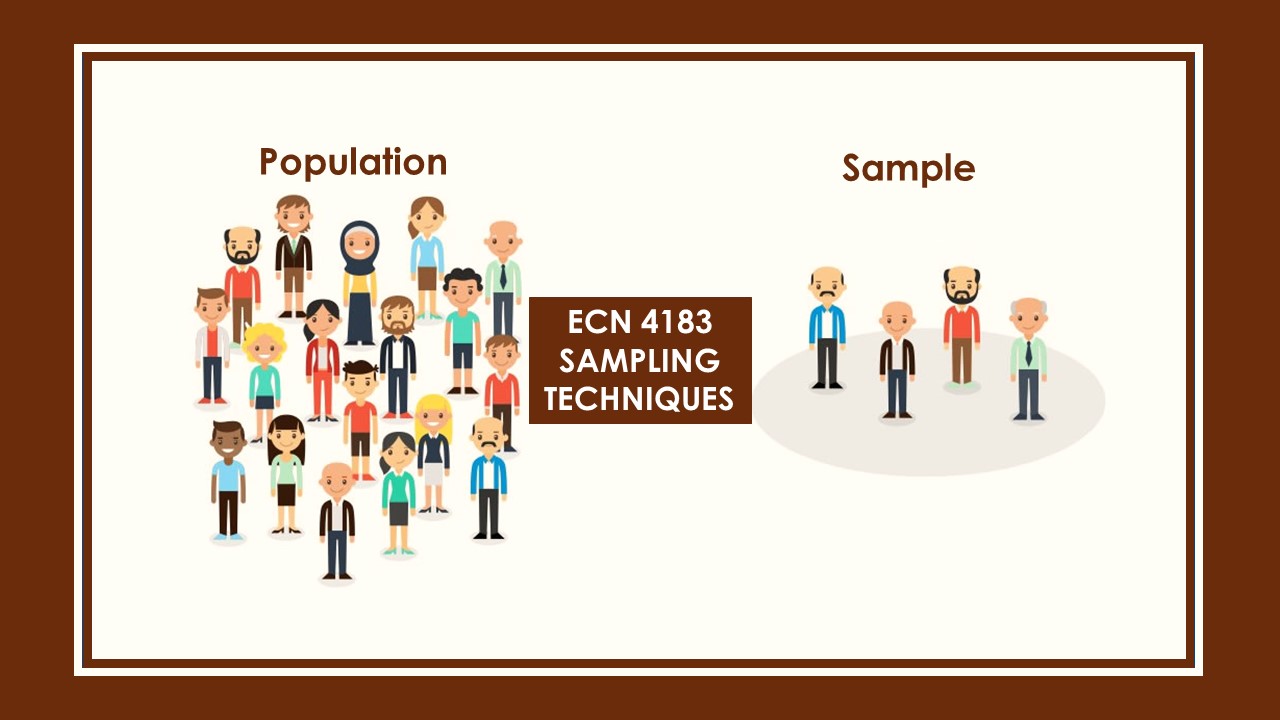
This is a compulsory course for final year students specializing in Economic Theory and Applications following the 4-year Honours Degree Programme in Economics.
The aim of this module is to introduce you to the statistical aspects associated with the design and analysis of sample surveys, and to develop your understanding of the principles and methods used to design survey sampling schemes. Basic theory underpinning survey inference will be introduced, focusing on methodology for survey-based estimation for population totals and related quantities for some standard sample designs.
The tentative lecture hours as per the time table.
Monday - 8.00am-10.00am
Tuesday - 12.00noon - 1.00pm
Facilitators:
Dr. Priyanga Dunusinghe
Ms. Ashani Fernando
Primary mode of communication about lectures and related details: LMS course page
- Teacher: Priyanga Dunusinghe
- Teacher: Ashani Fernando
- Teacher: Iresha Jayathunga
- Teacher: Christeen Masha
- Teacher: Jayani Perera
- Teacher: Geeth Samaraweera
- Teacher: Gayanga Wijesekara
- Teacher: maligathenne amarawansa
- Teacher: Vijitha Kumara
- Teacher: Bihimini Abeywickrama
- Teacher: Shivanee Ilangakoon

- Teacher: Gayuri Warunika Gomes
- Teacher: Migara Karunarathne
- Teacher: Nethmi Dedunu Kumari
- Teacher: Thishula Shehan

Course Description
This course will introduce students to the field of Shakespeare Studies, and focus specifically on a cross-section of Shakespeare’s plays. It involves the close study of four plays drawn from tragedies, comedies, history and “problem” plays. Students will also be required to be familiar with Shakespeare criticism, performance and cinema. Texts will be selected from among the following: Twelfth Night, A Winter’s Tale, A Midsummer Night’s Dream, As You Like It, Much Ado About Nothing, Othello, Hamlet, King Lear, The Tempest, Richard III, Measure for Measure and Macbeth.
2. Distinguish and appraise the literary features and styles of the plays across different genres.
3. Able to understand and engage with the theoretical frameworks for studying the plays.
4. Able to understand the contemporary relevance of Shakespeare’s plays through engaging with their cinematic and literary adaptations, including cross-cultural adaptations.
Lecturer: Ruhanie Perera
- Teacher: Ruhanie Perera
- Teacher: Ravihari Ravendra Kumar
- Teacher: Sachini Seneviratne
- Teacher: Shermal Wijewardene

This course will introduce students to the university learning environment to effect a transition to higher education and to help students to connect subject specific learning to their immediate socio-cultural environment. It will encourage students to view subject oriented knowledge as an organic part of their lived experience and to observe their environment from a critical perspective. It will also make students aware of their rights, civic responsibility and ethics as modern citizens.
- Teacher: Naduni Fonseka
- Teacher: Darshi Thoradeniya
- Teacher: Naduni Fonseka
- Teacher: Luxshe Hariharan
- Teacher: K Rewathy
- Teacher: Dr. F. Ruzaik
- Teacher: Dr. Unnathi Samaraweera
- Teacher: Darshi Thoradeniya
- Teacher: Krishantha Fedricks

Name of Lecturer(s) : ජ්යෙෂ්ඨ කථිකාචාර්ය ක්රිෂාන්ත ෆෙඩ්රික්ස්
- Teacher: Krishantha Fedricks

- Teacher: Krishantha Fedricks
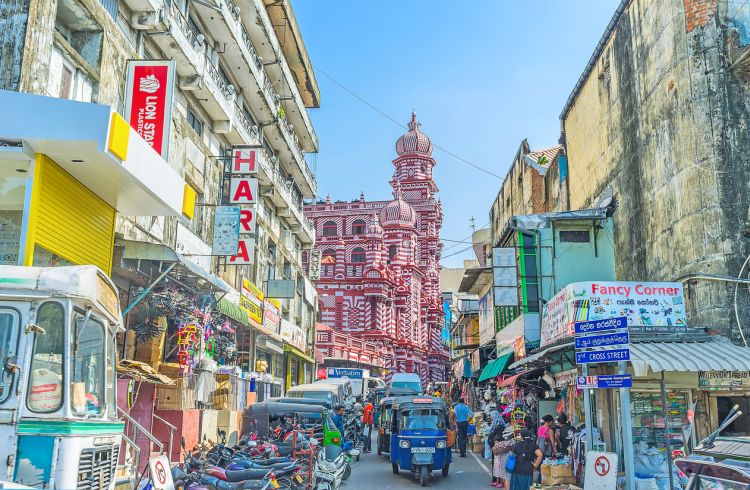
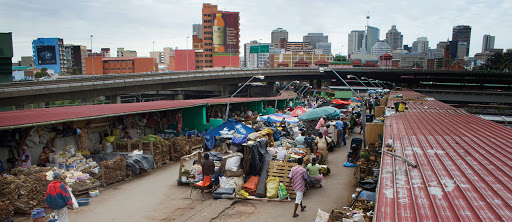
This course unit seeks to provide students with the analytical and practical tools to engage reflexively with urban development and planning challenges thrown up by rapid social, economic and political changes in the global South. Key issues covered in the course unit include the impact of the informal economy on labor markets, weak cities, gender empowerment, urban services, urban social enterprise, social policy, and popular politics. Attention will be focused on the potential as well as risks of large informal economies in the face of contemporary development challenges, drawing on empirical evidence and comparative case studies from across the cities in the developing world.
මෙම පාඨමාලා ඒකකය සිසුන්ට ගෝලීය දකුණේ වේගවත් සමාජ, ආර්ථික හා දේශපාලන වෙනස්කම් මගින් නාගරික සංවර්ධනය හා සැලසුම් කිරීමේ අභියෝග සමඟ ප්රත්යාවර්තකව සම්බන්ධ වීමට විශ්ලේෂණාත්මක හා ප්රායෝගික මෙවලම් ලබා දීමට උත්සාහ කරයි. පාඨමාලා ඒකකය තුළ ආවරණය වන ප්රධාන කරුණු අතරට අවිධිමත් ආර්ථිකය ශ්රම වෙළඳපොළවල්, දුර්වල නගර, ස්ත්රී පුරුෂ භාවය සවිබල ගැන්වීම, නාගරික සේවා, නාගරික සමාජ ව්යවසාය, සමාජ ප්රතිපත්ති සහ ජනප්රිය දේශපාලනය කෙරෙහි ඇති කරන බලපෑම ඇතුළත් වේ. සමකාලීන සංවර්ධන අභියෝග හමුවේ විශාල අවිධිමත් ආර්ථිකයන්හි විභවතාවයන් මෙන්ම අවදානම් පිළිබඳව ද අවධානය යොමු කෙරෙනු ඇත. සංවර්ධනය වෙමින් පවතින රටවල නගර පිළිබඳ පුරා ආනුභවික සාක්ෂි සහ සංසන්දනාත්මක සිද්ධි අධ්යයන කෙරෙනු ඇත.
Learning outcomes
On completion of this course unit, students will be able to:
1. discuss urbanization in an international perspective
2. explain urbanization in the developing world
3. define dependent urbanization
4. define urban informal sector
5. explain the relationship between the informal economy and the urban poor
Lecturer in-charge:
Ms. Anuradha C. Senanayake
- Teacher: Avanka Fernando
- Teacher: Mahesh Premarathna
- Teacher: Anuradha Senanayake